

Royal Milk Tea is a very popular sweet drink in Japan but there are many variations of this treat. Two of the most popular variations are Okinawa Milk Tea and Hokkaido Milk Tea. For tea enthusiasts wanting to understand the difference between the two, this article can help.
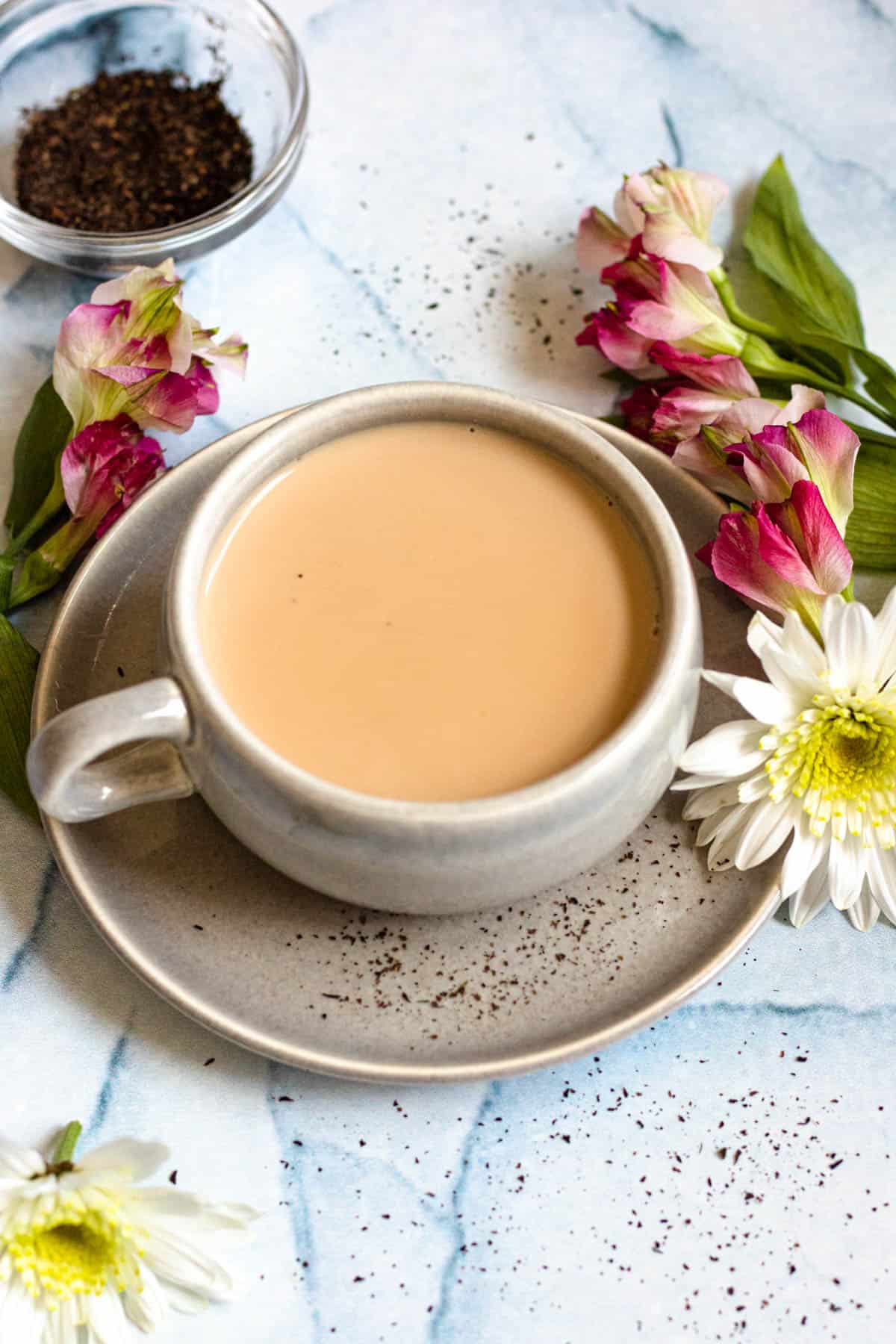
In many cafes, convenience stores, and even vending machines in Japan, you can find bottles of milk tea or the even creamier, richer version, royal milk tea. It’s a sweet drink, made with black tea and milk, with added sweeteners like sugar or honey.
If you have tried Royal Milk Tea in Japan, you know how delicious the beverage can be and how refreshing it can feel when served either hot or cold. But for true tea lovers, you must know there are different types of milk tea and each offers a new and delicious twist.
Two of the most popular variations are Okinawa milk tea and Hokkaido milk tea. Both are named after the region they come from and both have a base of rich black tea, but their differences give each a unique flavor and feel. The main difference is each type of tea has a key ingredient that makes it special.
If you are looking for something sweet and rich, you may be more drawn to Hokkaido milk tea, while if you like something with a stronger caramel flavor, Okinawa milk tea may be a better fit. Let’s take a closer look at what makes each tea special.
What is Royal Milk Tea?
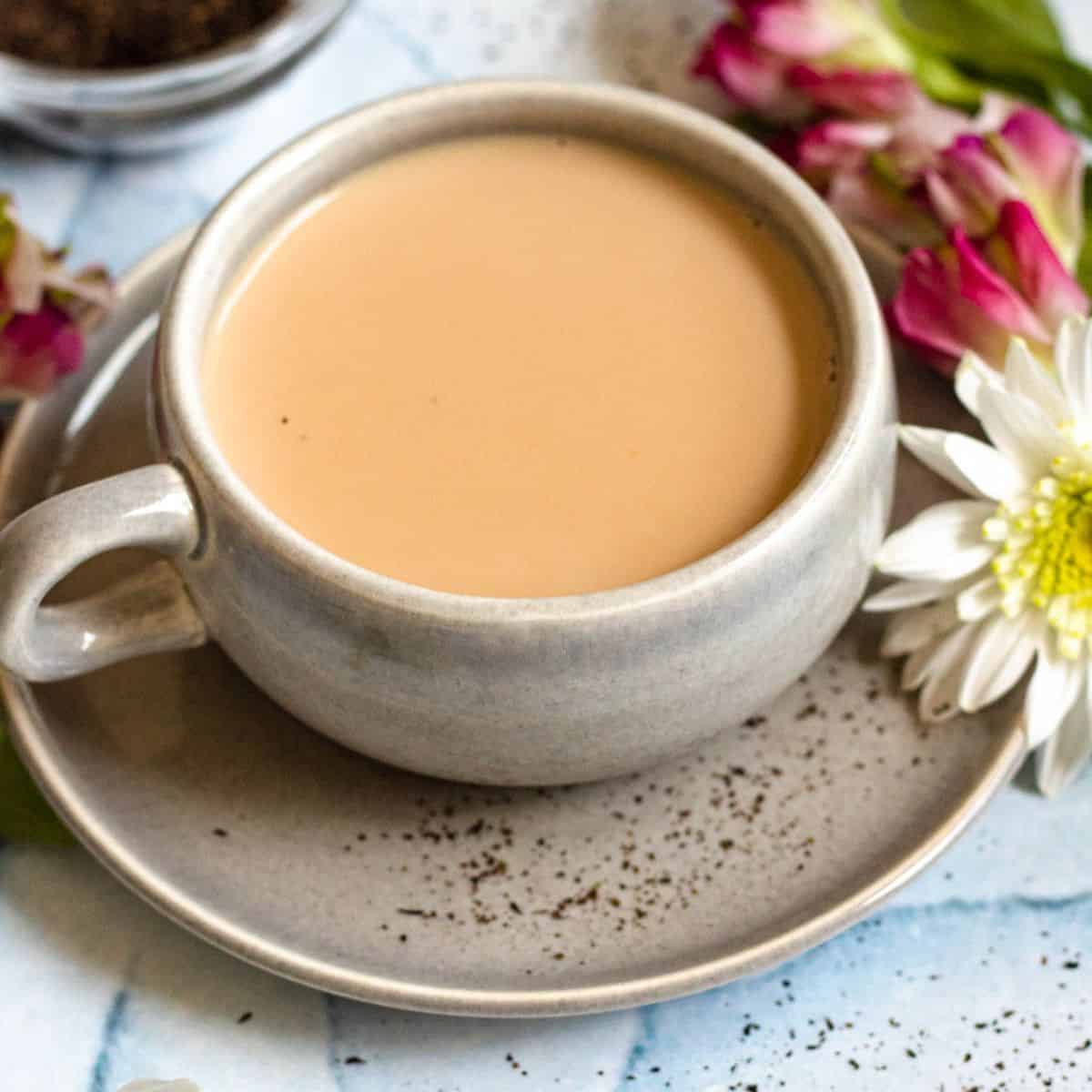
Before we jump into what makes Hokkaido and Okinawa milk tea unique, it’s important to understand what Royal Milk Tea is.
Royal Milk Tea is a Japanese milk tea that was made popular in Japan in the 1960s by the Lipton Tea Company. Since then it has spread across Asia and Europe.
Royal Milk Tea is typically made with black tea and a high ratio of milk and sugar. There may be up to 50 percent milk and 50 percent tea.
This creates a very sweet, rich drink with a milky flavor that blends perfectly with the earthiness of black tea. Often boba or tapioca pearls are added for even more flavor.
Hokkaido and Okinawa milk tea are both types of royal milk tea.
What is Hokkaido Milk Tea?
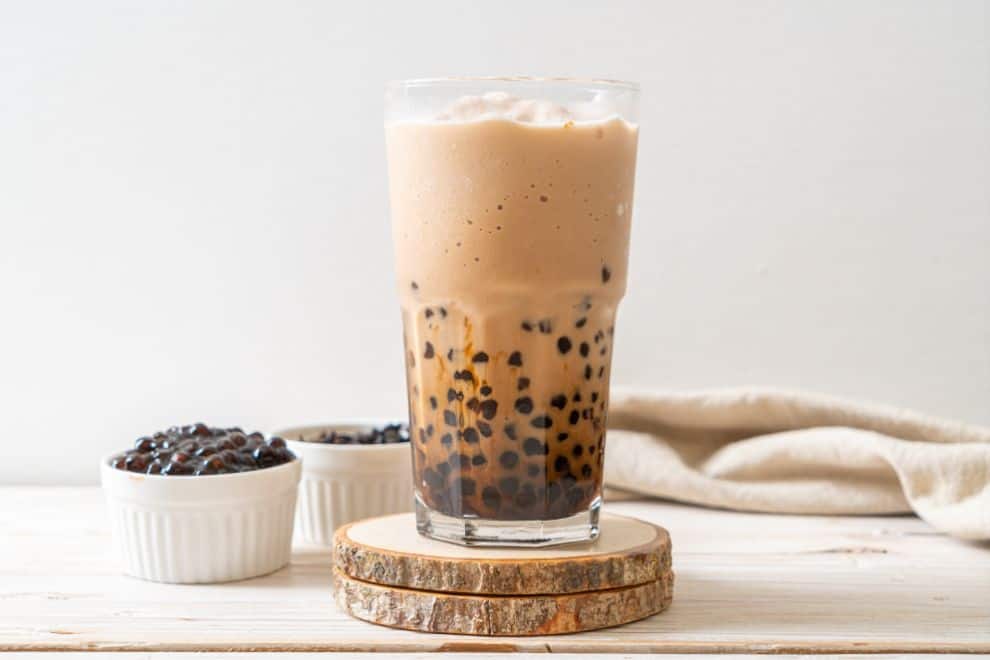
Hokkaido Milk Tea is made with black tea leaves (usually Assam leaves) and is balanced out with fresh milk from Hokkaido.
Hokkaido, which is located in Japan’s northern island, is a popular tourist spot. It is known for its beautiful landscape, natural hot springs and amazing skiing. Hokkaido also produces some of the best dairy in the country.
Hokkaido is actually responsible for producing about half of all the milk in Japan. While most of it is enjoyed fresh, about 40 percent is used for cheese, yogurt and butter.
It may be common to see milk used more often when visiting Hokkaido because it has become such an important part of their culture.
Dairy cows in Hokkaido are given special treatment to help produce the very best milk. They are given access to plenty of fresh air and enjoy a luscious, green environment.
As a result, the creamy milk is very high quality. Some might even consider Hokkaido milk to be essentially light cream.
Imagine taking this extremely rich milk and making it even richer with the addition of sugar, brown sugar syrup or caramel. That is what goes into Hokkaido milk tea. The result is that this type of milk tea is very sweet, smooth, rich and has a creamy flavor. Only fresh Hokkaido milk produced specifically in Hokkaido is good enough for Hokkaido milk tea.
What is Okinawa Milk Tea?
Okinawa milk tea is also made with black tea and quality milk, but the secret ingredient for Okinawa milk tea is a type of brown sugar called kokuto. This special key ingredient makes the tea just as rich and delicious as Hokkaida milk tea.
Kokuto is produced in the Okinawa region of Japan. Sugar cane in this region is grown with plenty of sunlight and important minerals from the ocean in an environment that is difficult to find anywhere else.
Once harvested, the pure sugarcane juice is carefully cooked to produce kokuto. Kokuto is said to contain many helpful vitamins and minerals and is considered to be the healthiest brown sugar in the world.
Kokuto has a slight toffee or molasses flavor that is different from regular brown sugar. It’s less sweet than other sugars but has a richer flavor that perfectly compliments the black tea leaves. It is what gives this drink its very unique taste.
Creamy Okinawa milk tea is known to be less sweet than Hokkaido milk tea but is an excellent choice for someone who enjoys a stronger, more complex flavor.
Preparation
The preparation of Hokkaido and Okinawa milk teas are very similar, just using different ingredients.
The most authentic Hokkaido or Okinawa milk teas are made with loose-leaf tea leaves steeped in water. You could use tea bags of English breakfast tea or Earl Grey as a substitute.
Once steeped in hot water, the fresh whole milk is added along with a sweetener. The difference comes from which milk and sweetener are used to achieve the rich flavor.
Of course, the best way to experience either drink is to visit the region and try it fresh. But if you are trying to recreate these popular drinks at home, it is possible. You can purchase a powdered version of Okinawa milk tea or Hokkaido milk tea online and combine it with your favorite black tea.
You may find that Hokkaido milk powder is a little more pricey than Okinawa and that is because of the very specific milk used.
Tapioca balls are often added to the tea for additional flavor and texture, and you may find these delicious beverages sold at popular boba shops.
You can enjoy this drink hot or cold.
Flavor and Texture
Okinawa and Hokkaido milk teas are both rich, creamy drinks. Plenty of milk in the drink makes for a smooth, creamy texture while the black Assam leaves give the drink a slightly malty feel.
Hokkaido milk tea is known for being very sweet with a rich, milky flavor. It is often sweetened with caramel.
Okinawa milk tea is known for having a slightly less-sweet flavor. It is creamy with a hint of roasted caramel that can only come from kokuto sugar.
Health Benefits of Milk Tea
There are many health benefits to the black tea used in milk tea. It contains valuable antioxidants and may also be good for overall heart health.
If you are trying to decide which of these two teas is healthier, you might opt for Hokkaido milk tea. Hokkaido milk is always produced organically and it is really the star of Hokkaido milk tea.
Okinawa milk tea contains kokuto, which is considered a healthy sugar, but the milk used may contain more fat and calories.
Which One Should You Pick?
The best way to decide which tea is the best for you is to give them both a try! There is a reason each has become popular, and the preference is up to your taste buds.
If you are looking for something sweet and creamy, Hokkaido milk tea may be the best. If you want to try something unique, give the rare taste of Okinawa milk tea a try.
FAQs
Both Okinawa and Hokkaido milk teas are made with black tea which does have caffeine. The amount of caffeine per cup may vary from 25 to 50mg of caffeine, which is significantly lower than the amount of caffeine in coffee or a typical energy drink.
This amount of caffeine can provide some focus but likely won’t make you feel jittery.
You may be able to find a non-caffeinated black tea to substitute if you want to avoid caffeine altogether.
The most authentic Okinawa or Hokkaido milk tea will be made with Assam tea. Darjeeling is another Indian tea that is a good substitute. You could also use Earl Grey or English Breakfast tea as they are often made with a combination of black tea that includes Assam leaves.



Leave a Reply