

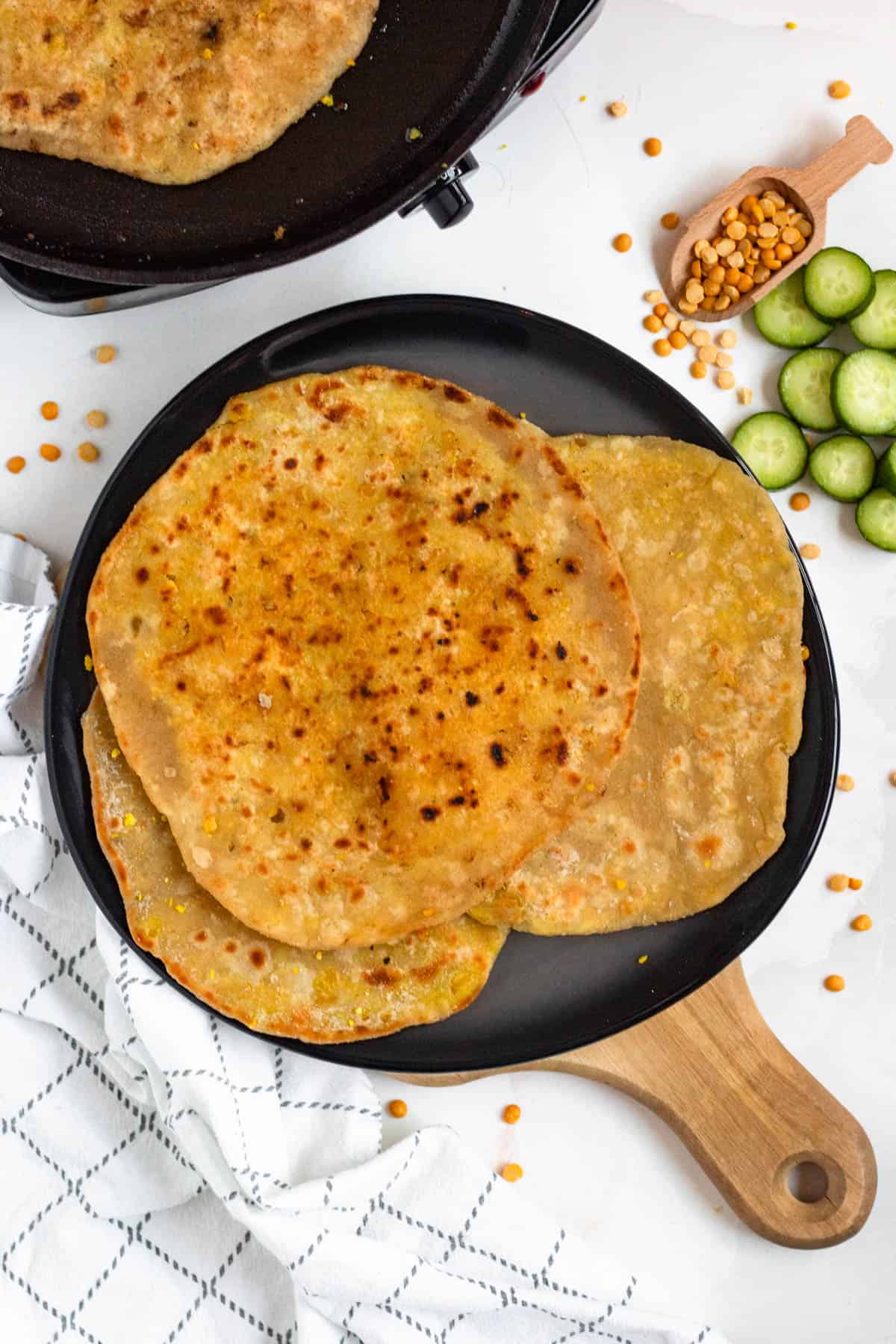
Making homemade Dhal Puri is a wonderful way to experience the flavors of Mauritian cuisine. With its soft flatbread and savory split pea filling, it’s a dish that’s both comforting and full of character.
Hello Reader! I try my hardest to research recipes as best as I can before posting to ensure I am representing each culture correctly. If this recipe is from your country and I have made a mistake or you have suggestions for how to make it more authentic, I would love to hear! Please leave a comment below letting me know what should be different, and I will rework the recipe. It is always my intention to pay homage and respect to each cultural dish that I cook. Thanks for reading!
Dhal Puri is a soft, thin flatbread filled with seasoned split peas and cooked on a hot griddle until lightly golden and perfectly tender. This flavorful bread is a staple street food and comfort dish, often served alongside curries, chutneys, and pickled vegetables.
If you love homemade flatbreads from other countries like Mkatra Foutra, Khachapuri, or Sfiha, this dhal puri recipe is one to try. The dough is soft and slightly chewy, while the filling of spiced yellow split peas adds a delicious savory flavor that makes each bite satisfying and unique.
Recipe Origin
Dhal Puri is one of the most beloved traditional foods of Mauritius. Influenced heavily by the culinary traditions of Indian immigrants who arrived on the island as indentured slaves in the 19th century, Mauritian cuisine blends Indian spices and cooking techniques with local flavors.
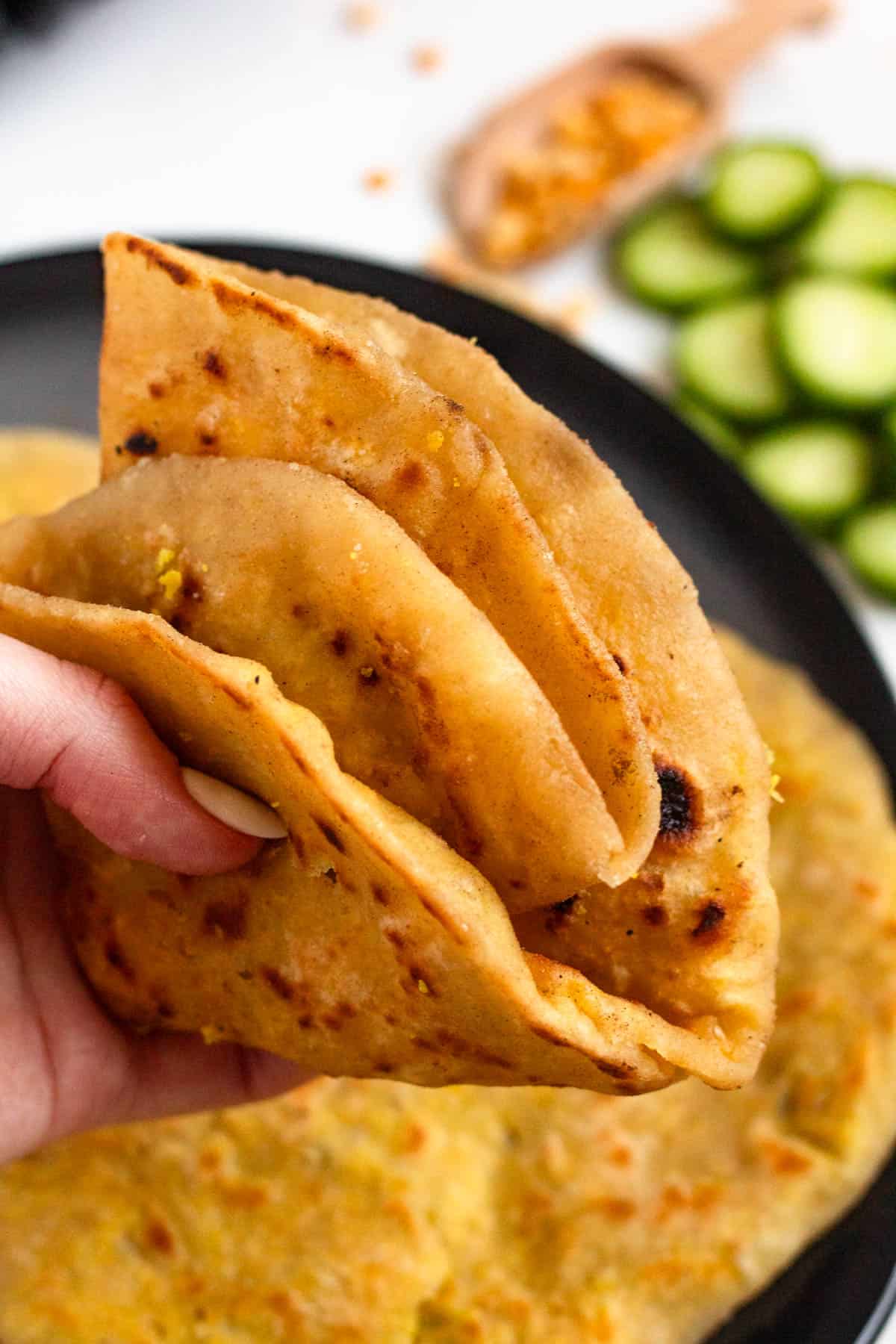
Today, dhal puri is considered one of the national dishes of Mauritius. It is commonly sold by street vendors and served folded with fillings such as curries, chutneys, pickled vegetables, and beans. Many families also prepare it at home as part of everyday meals or weekend gatherings.
The name comes from “dhal,” meaning split peas or lentils, and “puri,” a type of flatbread. Unlike Indian puri, which is typically deep-fried, Mauritian dhal puri is rolled thin and cooked on a griddle, keeping it soft and pliable.
Why Make This Recipe
- Flavorful Flatbread: The seasoned split pea filling gives this bread a savory depth of flavor that makes it far more interesting than plain flatbread.
- Perfect for Serving with Curries: Dhal puri is traditionally served with other strong flavors like curry, chutney, and pickled vegetables, adding an additional layer of explosive flavor and texture.
- Explore Mauritius: Traditional Mauritian dhal puri is a rewarding and delicious way to experience the island’s food culture.
Key Ingredients for Dhal Puri
Here is a visual overview of the ingredients in the recipe. Scroll down to the recipe at the bottom for quantities.
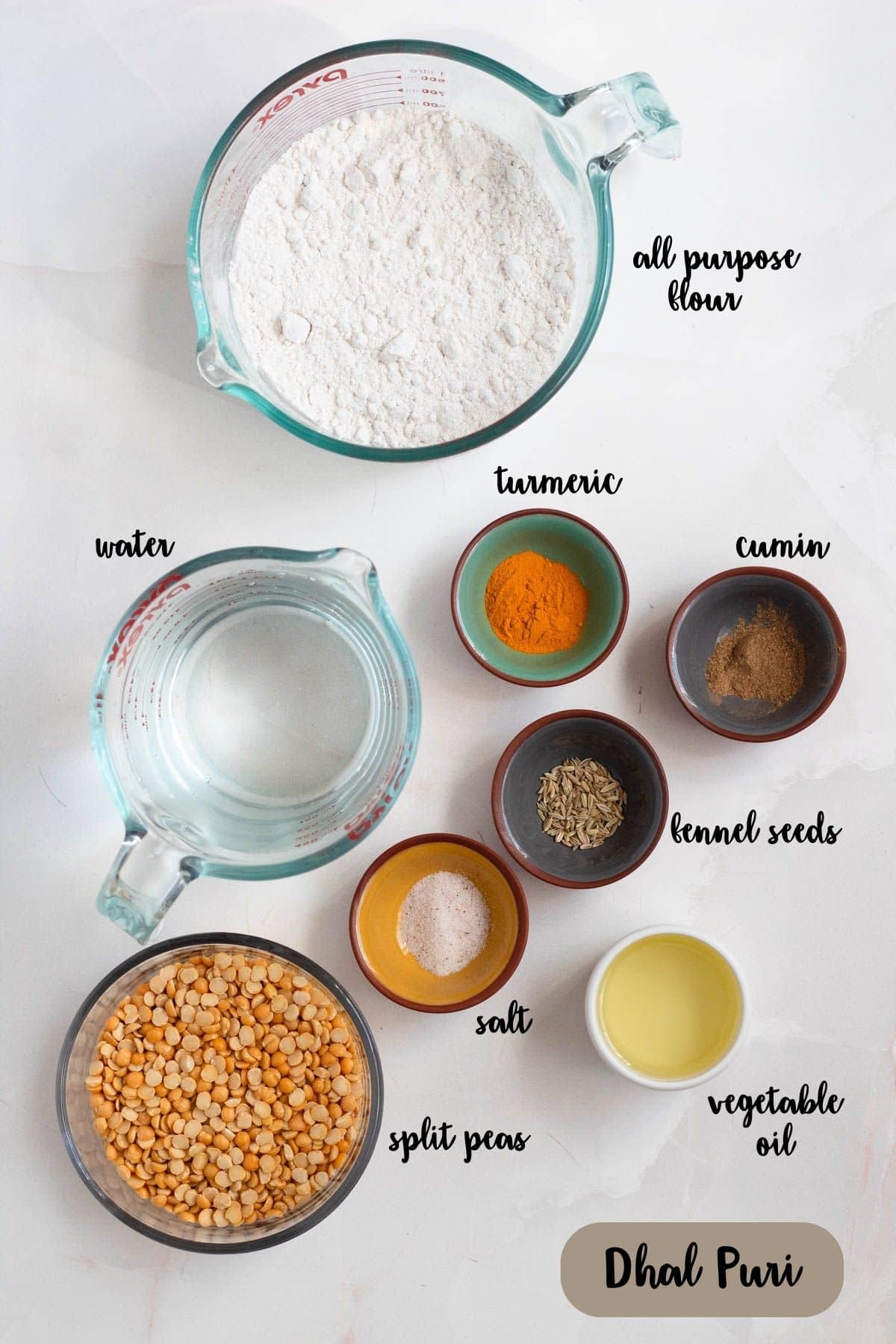
- Yellow split peas: The base of the filling, cooked until tender and then ground into a crumbly mixture. Make sure to soak them before cooking so that they cook the fastest.
- Turmeric: Adds warm flavor and a beautiful golden color to the peas.
- Fennel seeds: Lightly toasted to enhance their important and aromatic flavor
- Cumin: Adds earthy warmth to the filling.
- All-purpose flour: Used to make the soft dough of the bread.
- Vegetable oil: Used while cooking the flatbread to create a soft, slightly crisp exterior.
How to Make Dhal Puri
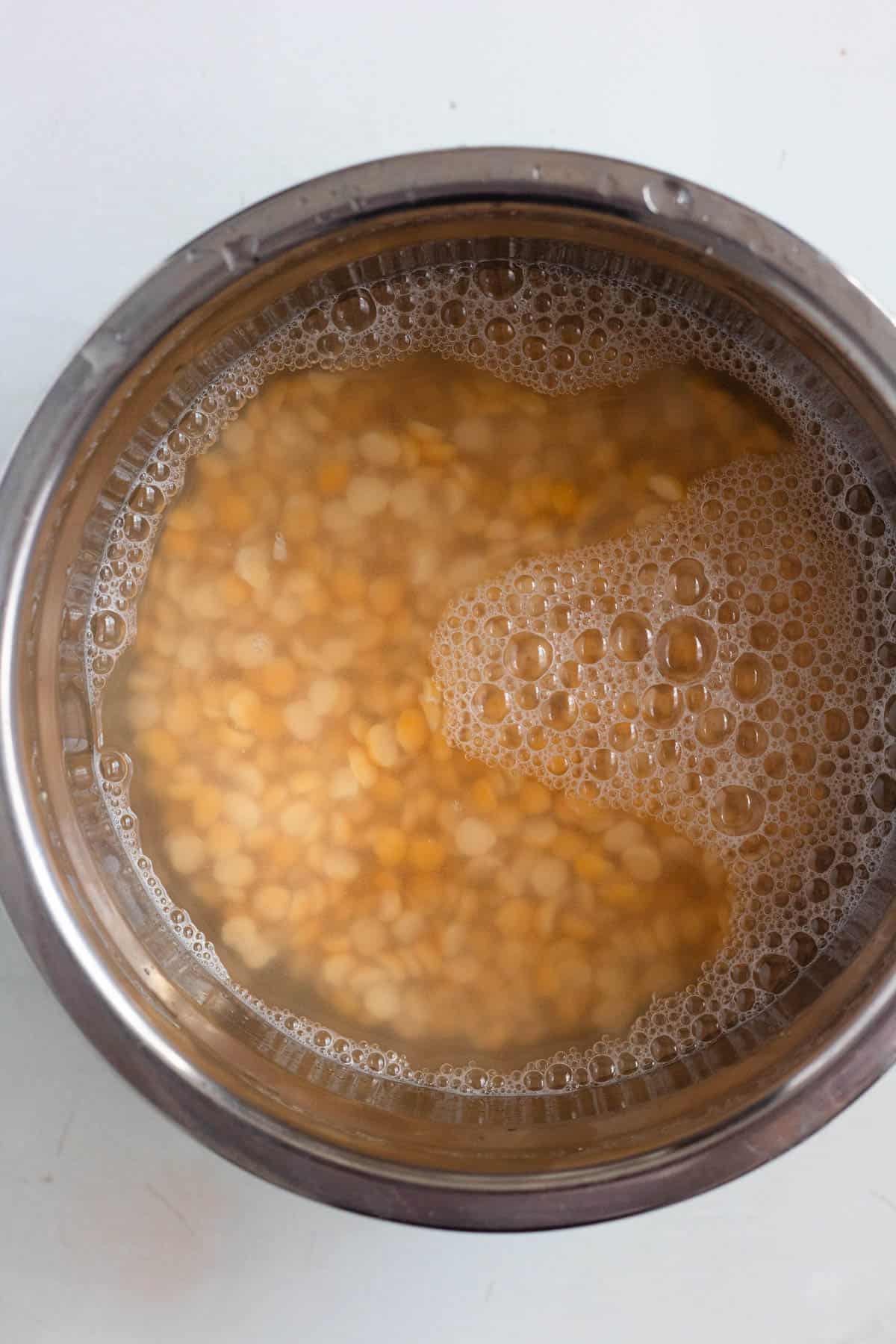
Step One: Soak the split peas for about 30 minutes.
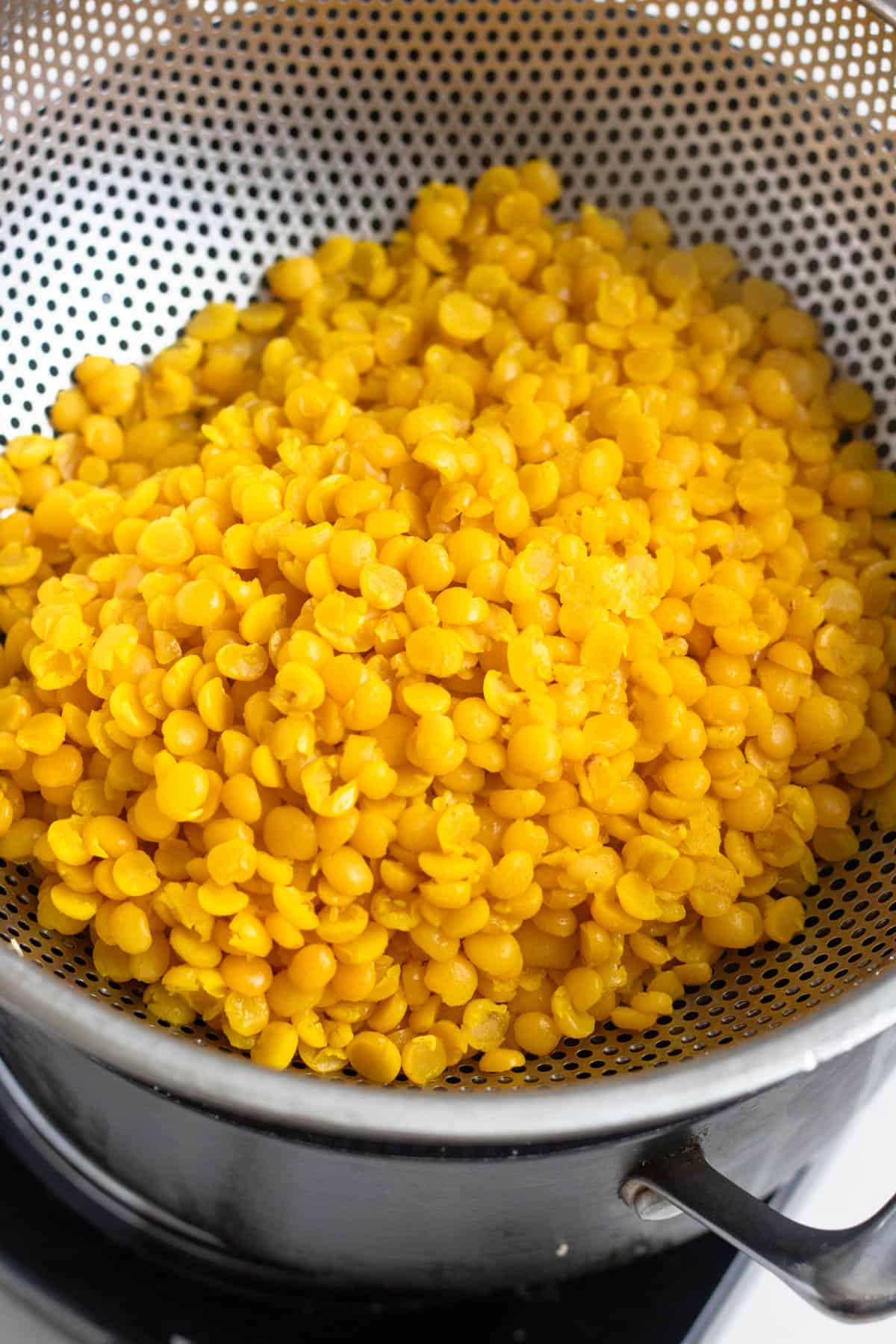
Step Two: Boil the peas until fork tender, then drain but reserve the liquid. Place the peas and liquid in the refrigerator to cool completely.
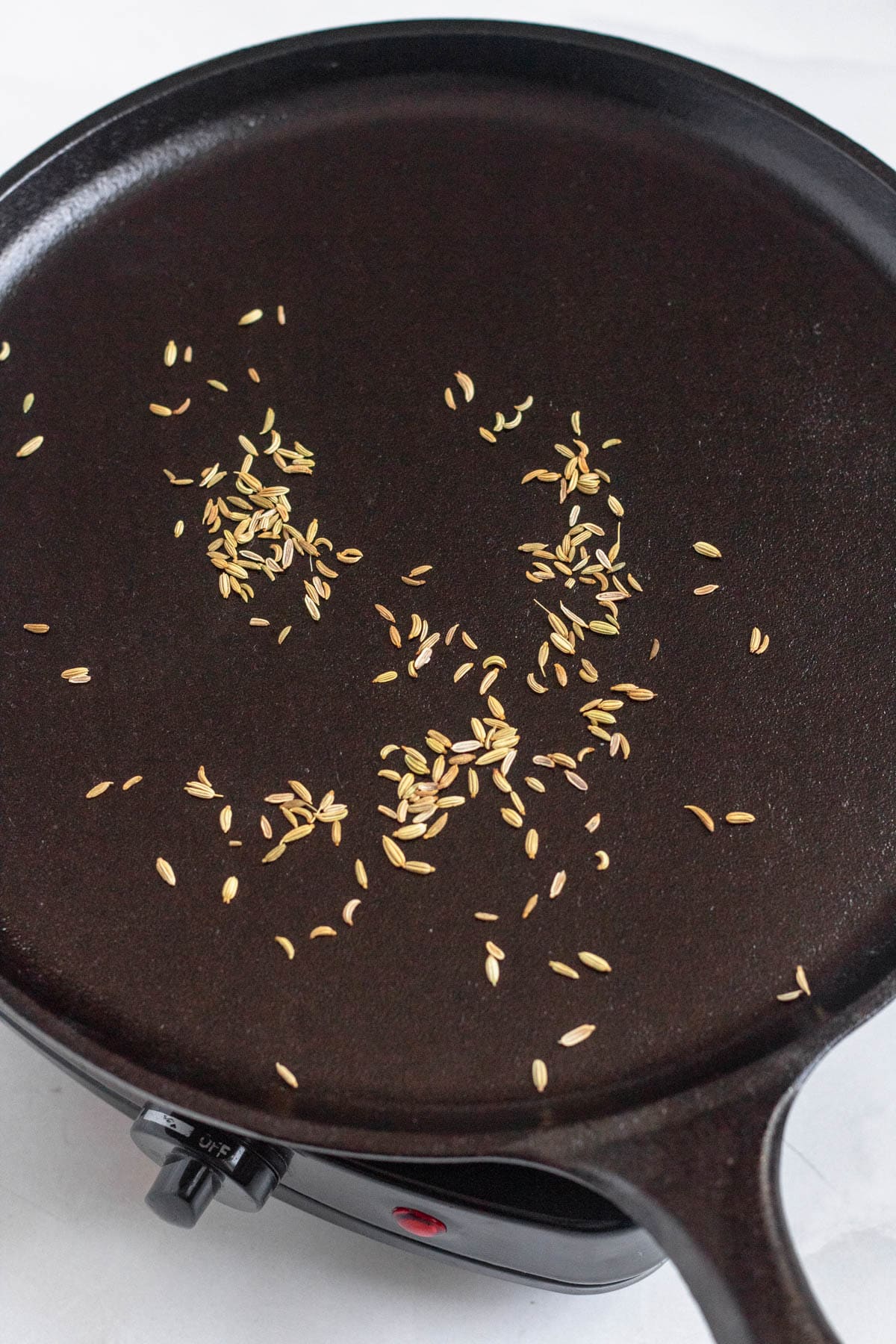
Step Three: Toast the fennel seeds in a pan until fragrant.
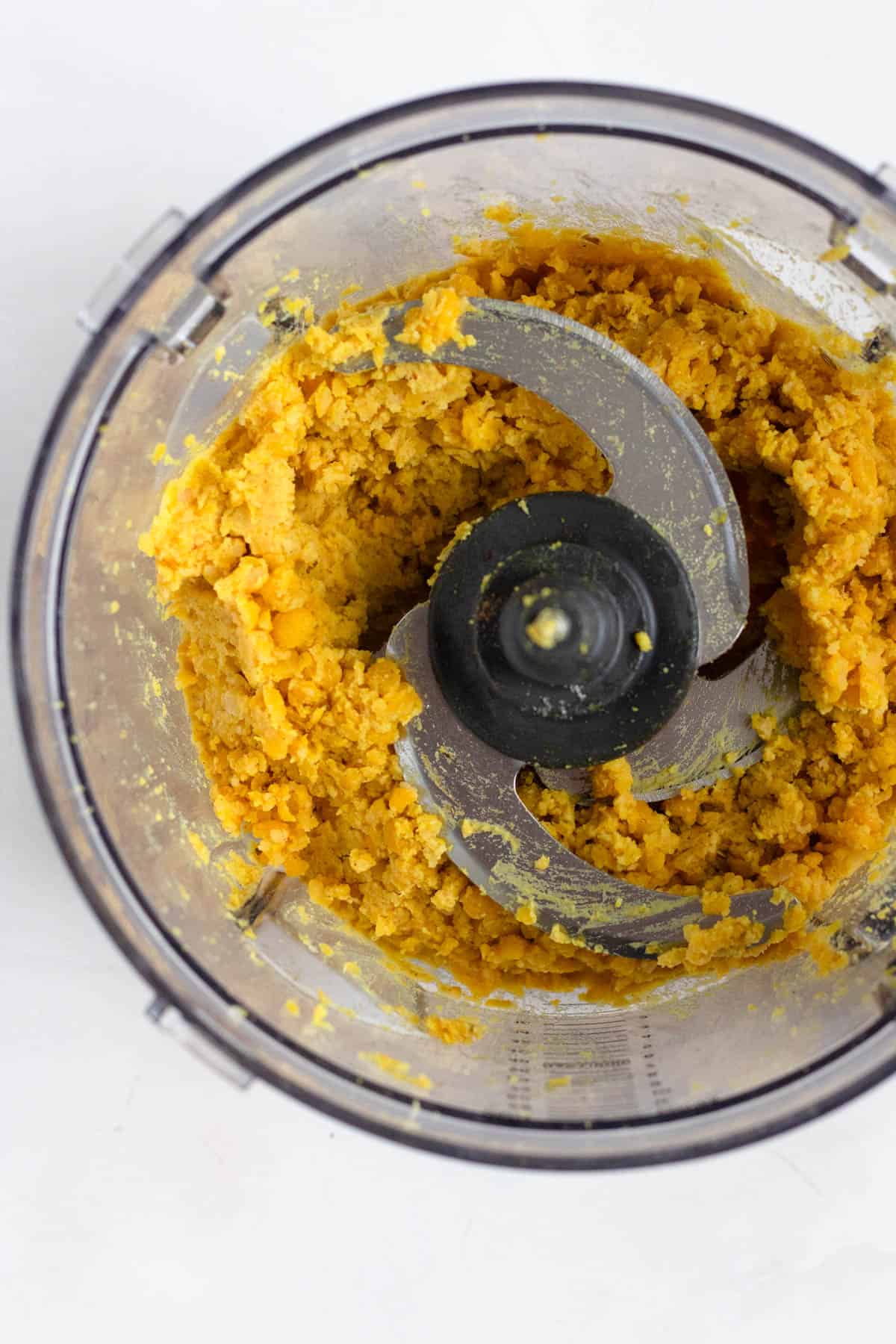
Step Four: Blend the cooled peas in a food processor with the fennel and cumin.
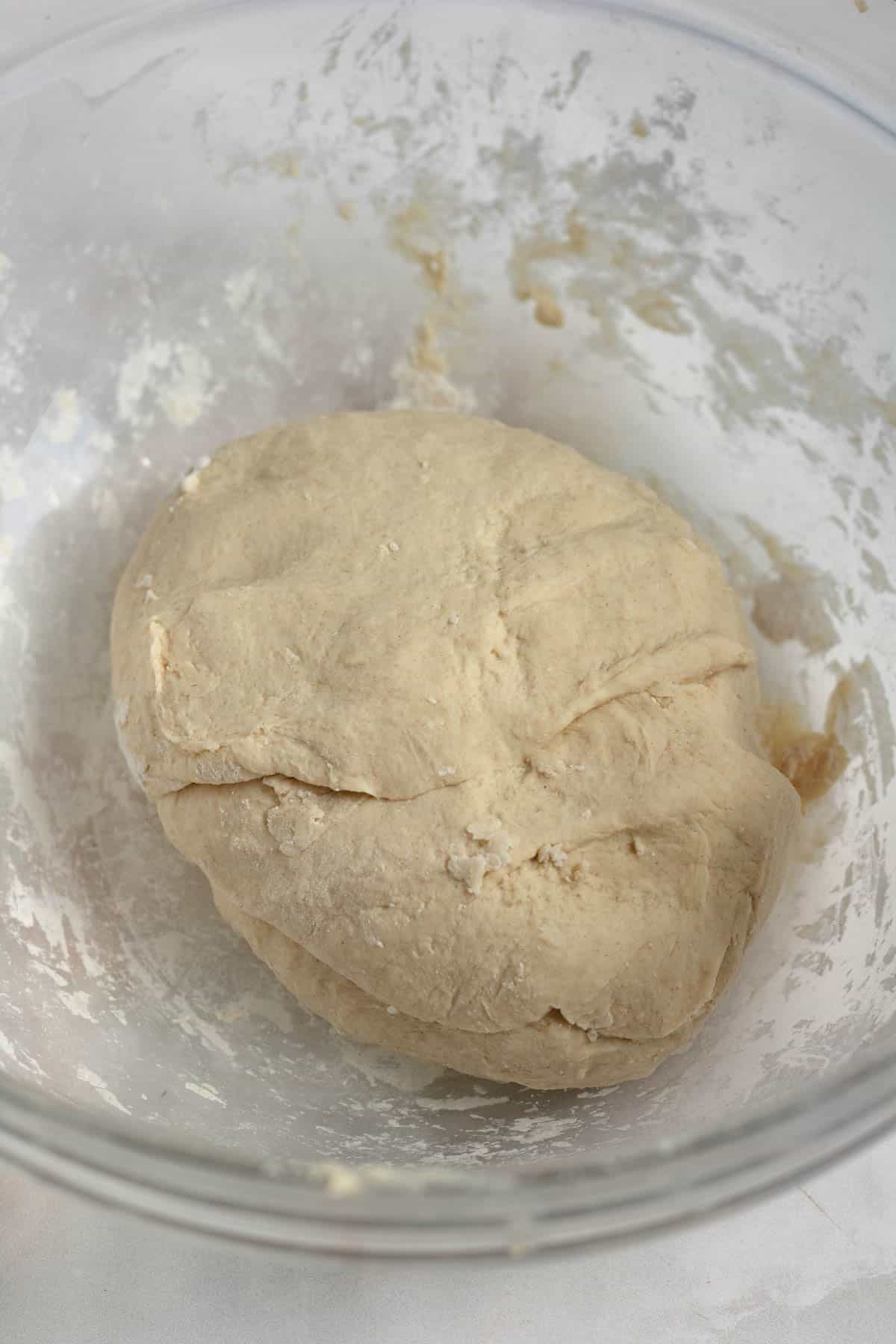
Step Five: Mix the flour and salt with some of the reserved liquid until a dough forms.
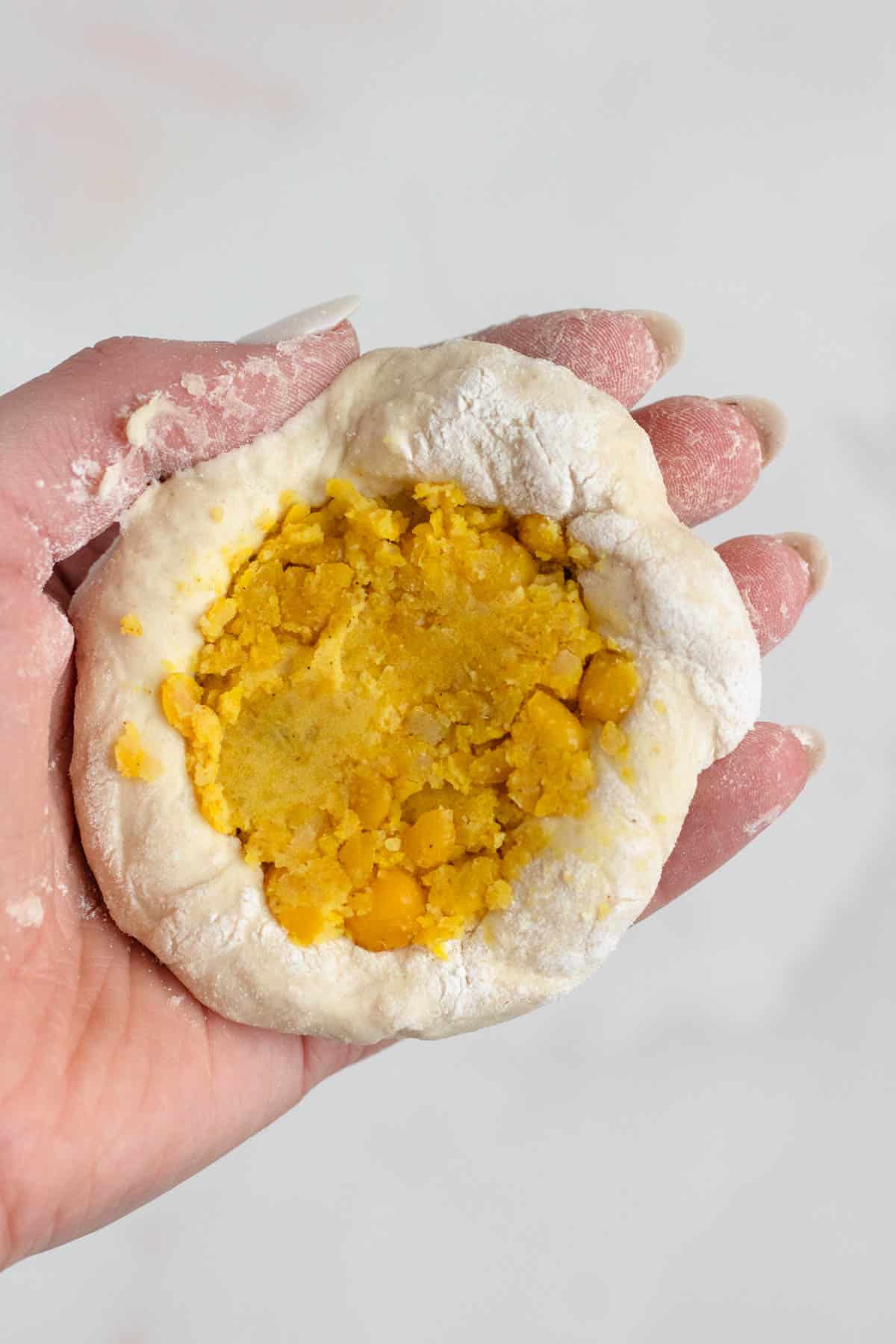
Step Six: Divide the dough into balls and stuff each with some of the pea filling.
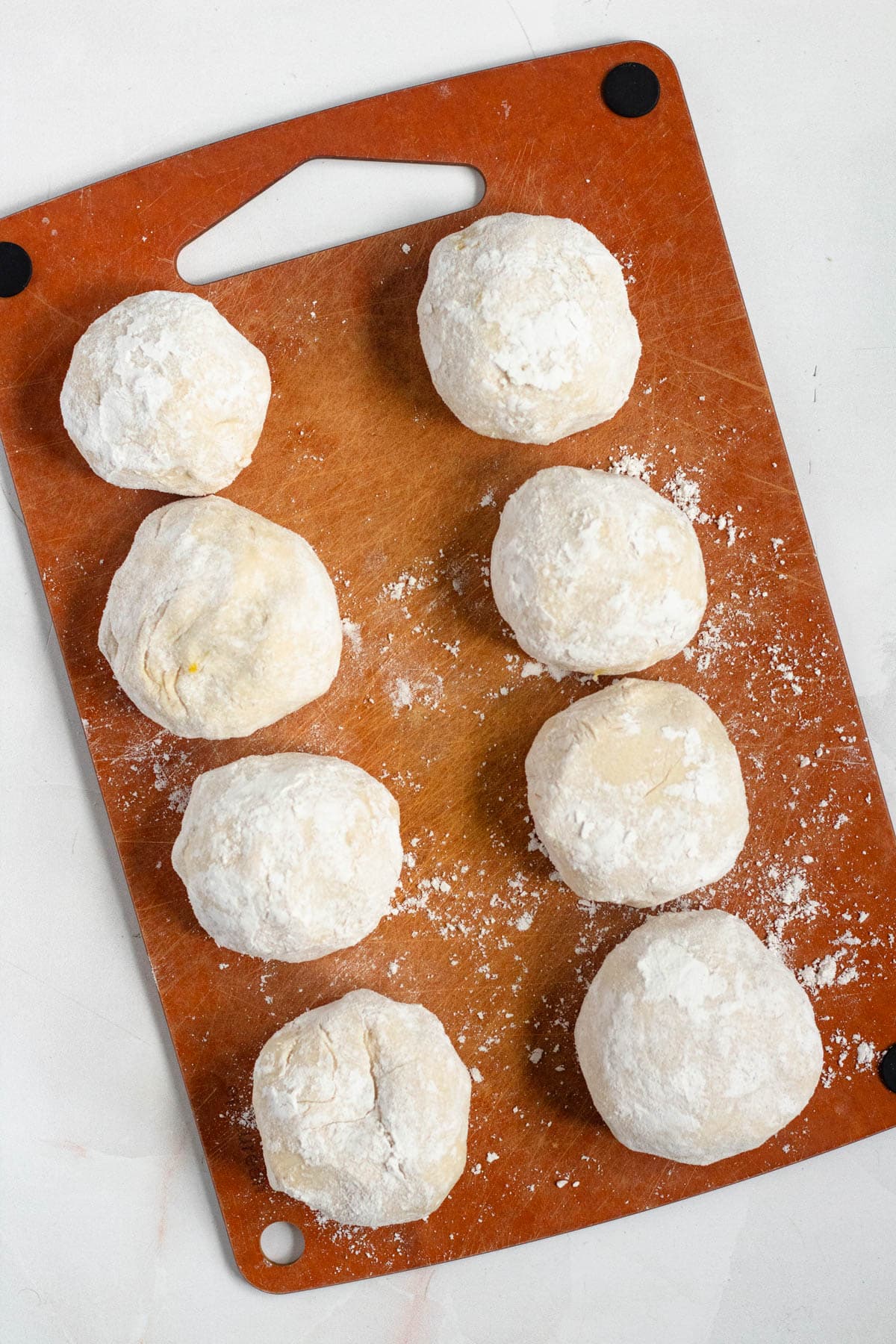
Step Seven: Roll out each ball of dough until thin.
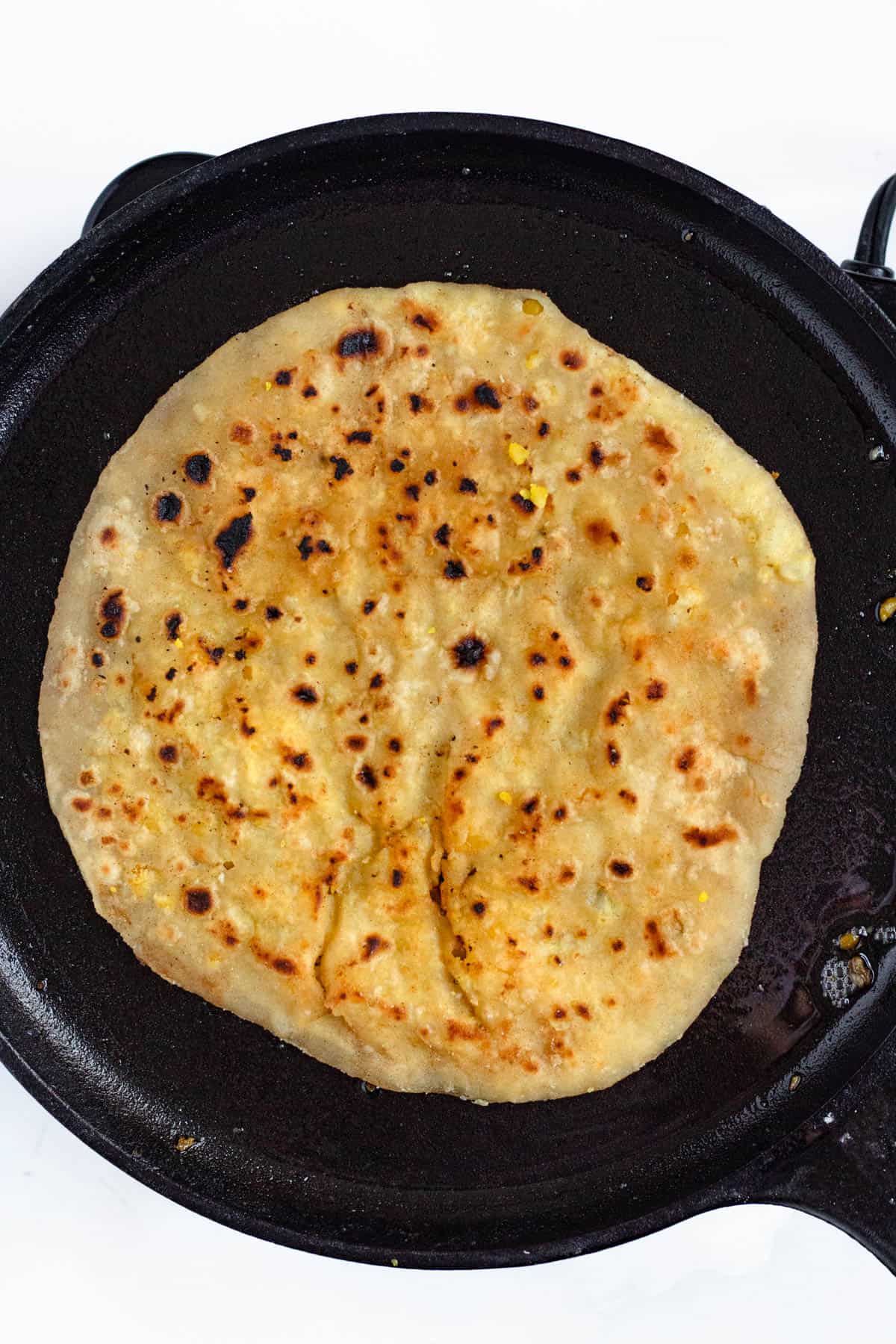
Step Eight: Heat on a griddle until cooked through.
Expert Tips
- Do not overcook the split peas. They should be tender but not mushy so they maintain a crumbly texture when blended.
- Let the dough rest before rolling. Resting helps the gluten relax, making the dough easier to roll thin.
- Roll the flatbread as thin as possible for the most authentic texture. However, do not let rips form in the dough which reveals the split peas within the dough. Doing this will give the air a pocket to escape from when cooking so your flatbread will not puff up like it’s supposed to.
- Use low-medium heat on the griddle so the bread cooks through without burning. A few small brown spots are fine but large burn marks mean your griddle is too hot.
- Add a little flour while rolling to prevent the dough from sticking to the surface.
Recipe FAQs
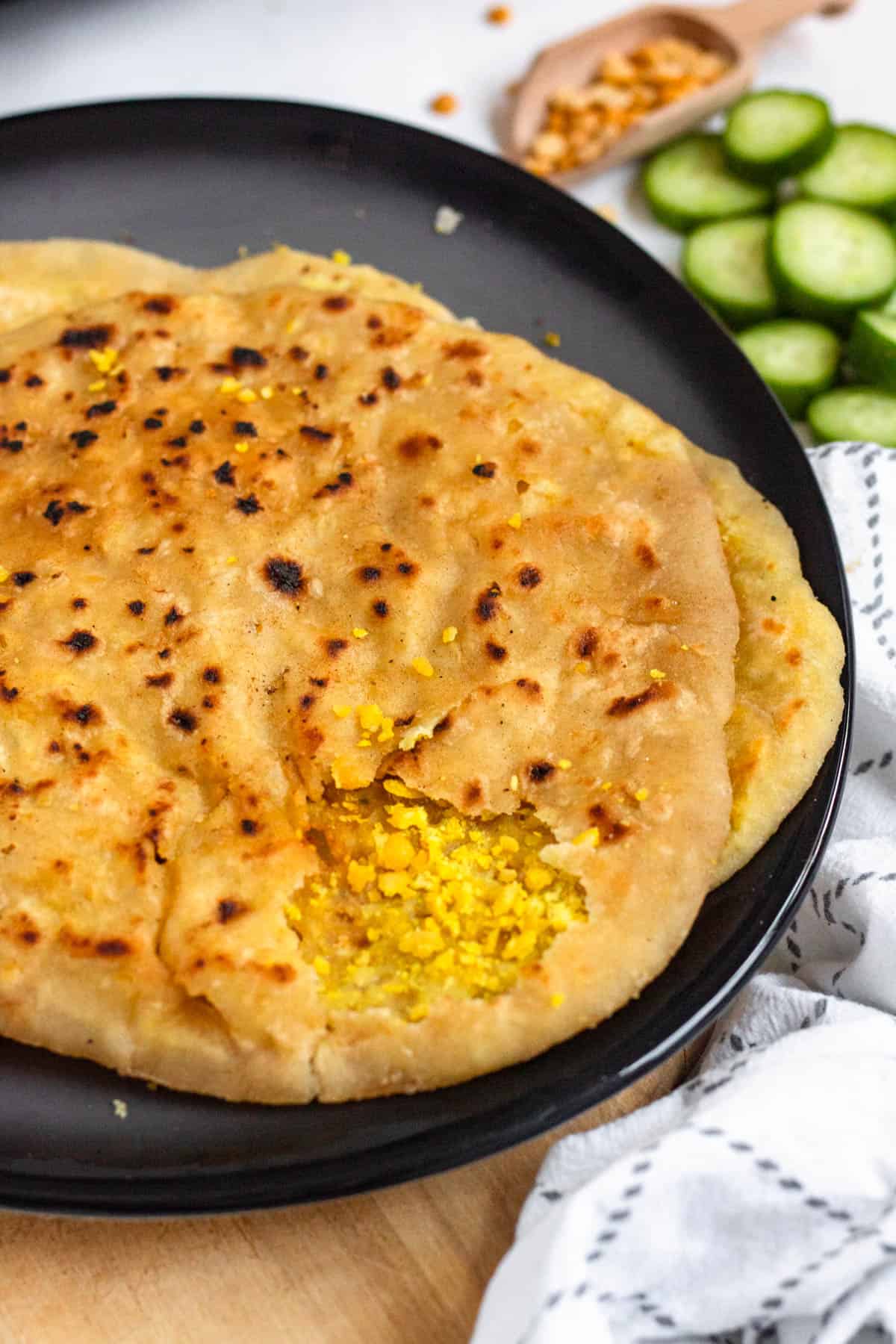
Dhal puri is commonly served as a side with curries but you can pair it with any savory dish or filling.
Of course! You can prepare the flatbreads in advance and reheat them on a warm skillet before serving.
Yes. Once cooked and cooled, wrap them well in foil or plastic wrap and freeze for up to two months. Reheat on a skillet or griddle before serving.
Did you enjoy this recipe for Dhal Puri? If so, check out these other recipes I’ve selected just for you:
If you tried this Dhal Puri Recipe or any other recipe on my website, please leave a 🌟 star rating and let me know how it went in the 📝 comments below!
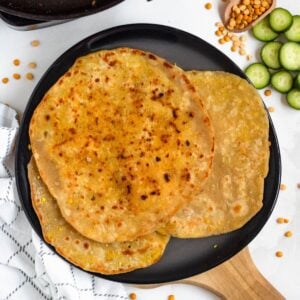
Dhal Puri
Ingredients
- 1 cup yellow split peas
- 1 tsp turmeric
- 1 tsp fennel seeds
- ½ tsp cumin
- 2 cups + 6 Tbsp all purpose flour
- 1½ tsp salt, divided
- Vegetable oil
Instructions
- In a medium bowl, place 1 cup yellow split peas and about a cup and a half of water. Allow the split peas to soak for 30 minutes.
- Once soaked, drain the split peas. Then add them to a large pot with about 8 cups of water and 1 tsp turmeric and bring the water to a boil. Boil for about 20-30 minutes until the split peas start to tenderize and break if you push one with your finger.
- Drain the split peas, but reserve the cooking liquid. Set both in the fridge and allow them to cool completely.
- While the peas are cooling, toast 1 tsp fennel seeds in a dry pan on the stove.
- Add 2 cups + 6 Tbsp all purpose flour to a large bowl along with 1 tsp salt and mix to combine. Then add about ¾ cups of the reserved liquid to the flour and salt, little by little. Mix by hand, kneading until a soft dough forms, adding more water or flour as necessary. Cover and rest for 10-15 minutes.
- Pulse the split peas in a food processor along with ½ tsp cumin and ½ tsp salt until they are very crumbly.
- Separate the dough into 8 equal balls. Make a pocket in the middle of the dough balls. Add about 1-2 tablespoons of the crumbly split pea mixture, pressing it into the pocket to fill it. Reform the dough over the top of the split peas and seal the edges.
- As you finish each dough ball, roll it in flour and set it aside while you make the rest.
- Once the dough balls are all prepared, flour a work surface. Press each ball flat with your palm, then use a floured rolling pin to roll it as thin and round as possible (about ⅛” thick). Add more flour as necessary to keep it from sticking.
- Heat a cast iron or griddle over medium heat and add a drizzle of oil. Place the dhal puri on the griddle, then brush the side that is up with oil. Keep the dough on the griddle for about one minute, then flip it and brush with oil again, cooking for one minute. One final time, flip it and allow it to cook for about one minute, or until the dough starts to puff up and cook through.
- Serve and enjoy!
Video
Notes
- Do not overcook the split peas. They should be tender but not mushy so they maintain a crumbly texture when blended.
- Let the dough rest before rolling. Resting helps the gluten relax, making the dough easier to roll thin.
- Roll the flatbread as thin as possible for the most authentic texture. However, do not let rips form in the dough which reveals the split peas within the dough. Doing this will give the air a pocket to escape from when cooking so your flatbread will not puff up like it’s supposed to.
- Use low-medium heat on the griddle so the bread cooks through without burning. A few small brown spots are fine but large burn marks mean your griddle is too hot.
- Add a little flour while rolling to prevent the dough from sticking to the surface.
Leave a Reply