

Malaysia
Fun Facts
-
Malaysia is divided into two main regions — Peninsular Malaysia and Malaysian Borneo — separated by the South China Sea.
-
The country is home to some of the oldest tropical rainforests in the world, even older than the Amazon.
-
Mount Kinabalu, in Sabah, is the highest peak in Southeast Asia.
-
Malaysia celebrates cultural diversity, with major holidays for Islam, Buddhism, Hinduism, and Christianity all observed nationally.
-
The national drink is teh tarik, or “pulled tea,” a frothy, sweet milk tea poured back and forth between cups.
About the Flag
Malaysia’s flag, known as the Jalur Gemilang (“Stripes of Glory”), features 14 alternating red and white stripes and a blue rectangle in the upper left corner with a yellow crescent moon and star.
-
The stripes represent the 13 states and the federal government.
-
The crescent symbolizes Islam, the country’s official religion.
-
The star’s 14 points represent unity among all states and territories.
-
Yellow signifies royalty, an important aspect of Malaysian culture.
Influence on the Food
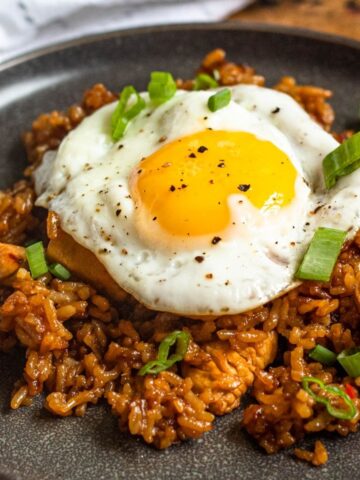
Malaysian cuisine is a vibrant blend of Malay, Chinese, Indian, and Indigenous traditions, with touches from Thai, Indonesian, and even Middle Eastern cooking due to centuries of trade.
-
The result is a cuisine rich in spices, aromatics, and bold flavors.
-
Every community contributes — Malay dishes tend to be spicy and coconut-rich, Chinese dishes are savory and stir-fried, and Indian-Malaysian dishes are fragrant and curry-based.
Flavors of the Food
Malaysian food is bold, aromatic, and deeply satisfying:
-
Core ingredients include lemongrass, chili, ginger, turmeric, shallots, and coconut milk.
-
Sweet, spicy, sour, and salty flavors are skillfully balanced in every meal.
-
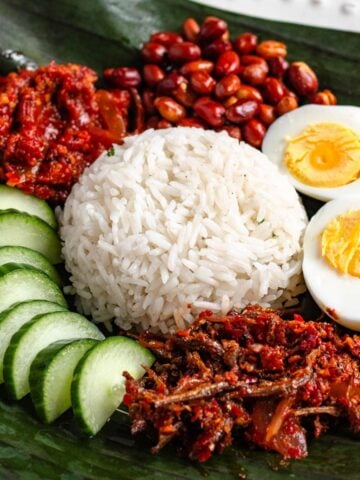
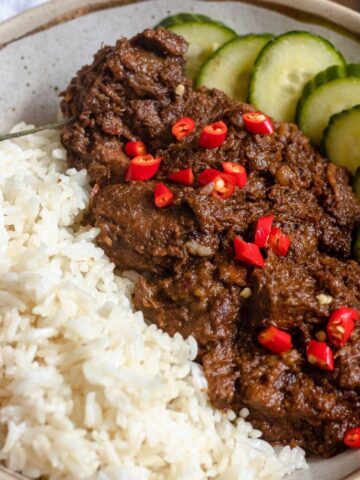
Signature dishes like nasi lemak (coconut rice with sambal), laksa (spicy noodle soup), and rendang (slow-cooked meat stew) highlight complex seasoning and texture.
-
Peanuts, anchovies, tamarind, and lime add crunch and brightness to many dishes.
Food Culture
Food in Malaysia is a unifying force — a symbol of cultural harmony and pride.
-
Meals often bring together flavors and traditions from multiple ethnic groups on one table.
-
Street food is a national treasure, with bustling night markets and hawker stalls offering endless variety.
-
Eating out is a way of life; locals often dine together multiple times a day.
-
Meals are a time for connection, and hospitality often means sharing as much food as possible.
Dining Style
Malaysian dining is communal, informal, and full of flavor:
-
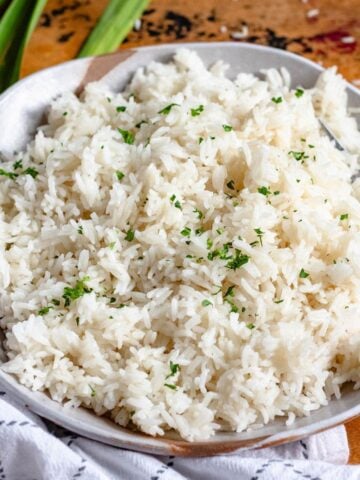
Meals are typically shared family-style, with several dishes served alongside rice.
-
Hands, chopsticks, or utensils are used depending on the cultural setting — eating with the right hand is common in Malay households.
-
Street stalls are casual and lively, while home meals are warm and generous.
-
Eating together is an act of friendship and respect, reflecting Malaysia’s motto: “Unity is Strength.”