

Spain Country Introduction and Recipes
Fun Facts
-
Spain is home to the oldest restaurant in the world, Sobrino de Botín, founded in 1725 in Madrid.
-
The country produces over 40% of the world’s olive oil.
-
La Tomatina, an annual festival in Buñol, involves a massive tomato fight.
-
Spain has 47 UNESCO World Heritage Sites, from Gaudí’s architecture to prehistoric caves.
-
The Spanish language is the second most spoken in the world by native speakers.
About the Flag
The Spanish flag consists of three horizontal stripes: red, yellow, and red, with the yellow stripe twice as wide as each red one. On the left side sits the national coat of arms, which includes:
-
The Pillars of Hercules (symbolizing Gibraltar and Ceuta).
-
The motto Plus Ultra (“More Beyond”), reflecting exploration.
-
A crown, showing Spain’s monarchy.
Influence on the Food
Spanish cuisine reflects centuries of history and cultural exchange:
-
The Moors introduced rice, almonds, and spices.
-
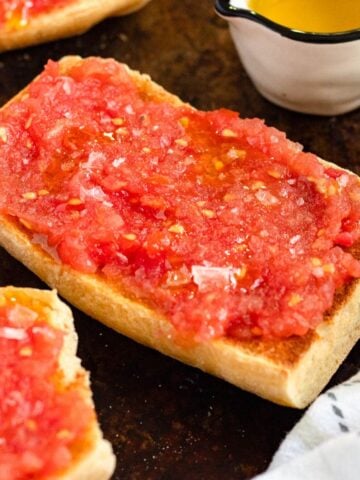
The New World contributed tomatoes, potatoes, peppers, and cocoa.
-
Neighboring countries like France and Italy added Mediterranean refinement.
-
Each region developed its own specialties, from Basque pintxos to Andalusian gazpacho.
Flavors of the Food
Spanish food is vibrant, bold, and varied:
-
Olive oil, garlic, and paprika are foundational.
-
Flavors range from the smoky heat of chorizo to the delicate saffron in paella.
-
Seafood plays a major role, especially along the coasts.
-
Dishes often balance savory, earthy, and slightly sweet elements.
Food Culture
Food is deeply tied to social life in Spain:
-
Meals are often long and leisurely, especially lunch.
-
Tapas culture encourages sharing small plates with friends over drinks.
-
Meals celebrate seasonality and regional pride, with festivals often featuring local specialties.
-
Food is not just nourishment, but a reason to gather and enjoy life.
Dining Style
Spanish dining follows unique rhythms:
-
Lunch (la comida) is the main meal, eaten around 2–3 PM, often followed by a siesta.
-
Dinner is typically much later, around 9–11 PM.
-
Meals often begin with small shared plates and end with fruit or light desserts.
-
Dining is communal and relaxed, with food, conversation, and wine flowing together.