

Malawi Country Introduction and Recipes
Fun Facts
-
Malawi is known as the “Warm Heart of Africa” for its friendly and welcoming people.
-
Lake Malawi, which covers about one-third of the country, is one of the largest and deepest lakes in Africa — and home to more fish species than any other lake on Earth.
-
The country is landlocked, bordered by Tanzania, Mozambique, and Zambia.
-
Malawi’s economy relies heavily on agriculture, with tea, tobacco, and sugar as major exports.
-
Traditional music and dance play a huge role in celebrations, storytelling, and daily life.
About the Flag
Malawi’s flag features three horizontal stripes: black, red, and green, with a rising red sun centered on the black stripe.
-
Black represents the people of Africa.
-
Red symbolizes the blood shed for independence.
-
Green stands for the country’s lush land and hope.
-
The rising sun signifies freedom and a new beginning for Africa.
Influence on the Food
Malawian cuisine is rooted in local agriculture and community traditions.
-
The abundance of freshwater fish from Lake Malawi shapes many traditional dishes.
-
Farming provides staples like maize, cassava, and sweet potatoes, which form the base of most meals.
-
Cultural influences from neighboring countries — like Zambia, Tanzania, and Mozambique — have added variety through shared ingredients and preparation styles.
Flavors of the Food
Malawian food is simple, wholesome, and comforting, with flavors that come from natural, fresh ingredients:
-
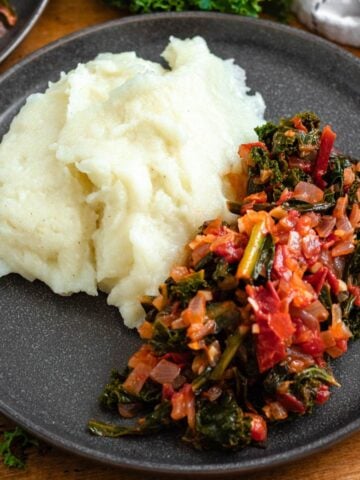
Nsima, a thick maize porridge, is the national staple and served with almost every meal.
-
Ndiwo, vegetable or meat relishes cooked with tomatoes, onions, and greens, accompany nsima.
-
Peanuts, beans, and fish add protein and richness.
-
Spices are mild, and flavor often comes from roasted vegetables, local greens, and natural oils rather than heat.
Food Culture
Food in Malawi is closely tied to community and family life.
-
Meals are often prepared and eaten together, symbolizing unity.
-
Hospitality is highly valued, and visitors are always offered food, no matter how simple the meal.
-
Meals are enjoyed slowly, often outdoors, with conversation and laughter.
-
Eating locally and seasonally is natural — what’s harvested is what’s eaten.
Dining Style
Malawian meals are shared and communal.
-
People often eat with their right hand, rolling nsima into small balls to scoop up relishes or sauces.
-
In rural areas, meals are served in large communal bowls, while in urban homes, individual plates are more common.
-
Breakfast is usually light, but lunch and dinner feature hearty staples.
-
Food is seen not just as nourishment, but as a way to connect, celebrate, and care for others.