

Macedonia Country Introduction and Recipes

Fun Facts
-
North Macedonia is a landlocked country in the Balkans, bordered by countries like Greece, Albania, and Bulgaria.
-
It was part of the former Yugoslavia until gaining independence in 1991.
-
The famous conqueror Alexander the Great was born in the ancient kingdom of Macedon, which shares a historical connection with the region.
-
The country is home to Lake Ohrid, one of the oldest and deepest lakes in Europe.
-
Macedonians often enjoy a daily coffee break called “kafe-pauza”—a social ritual more than a caffeine fix.
About the Flag
The North Macedonian flag features a stylized yellow sun with eight broad rays extending to the edges, set on a red background. The sun symbolizes "the new sun of liberty" from the national anthem and represents freedom and hope.
Influence on the Food
North Macedonian cuisine is shaped by Ottoman, Balkan, and Mediterranean influences. It reflects centuries of cultural exchange, with Turkish spices, Slavic heartiness, and Mediterranean freshness all playing a role. Agriculture is strong here, so the food is often fresh and seasonal.
Flavors of the Food
Macedonian food is all about bold and rustic flavors:
-
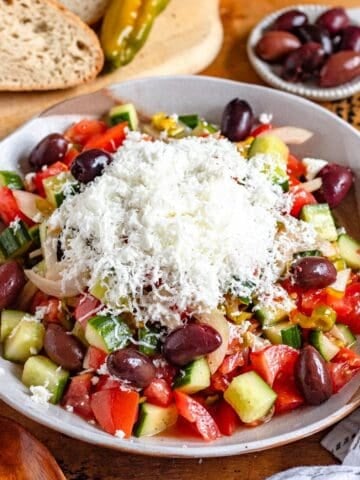
Roasted peppers, eggplant, and tomatoes are featured often.
-
Paprika and garlic add smoky, savory depth.
-
Cheese and yogurt bring a creamy contrast to spiced meats.
-
Flavors are often smoky, tangy, and herby, especially in dips like ajvar and tavče gravče (baked beans).
-
Bread is a staple and is often homemade or freshly baked.
Food Culture
Meals are long, social, and full of variety. Shared plates are common, with a strong emphasis on hospitality—guests are always well-fed. Meals usually start with salads and spreads, followed by grilled meats, baked dishes, or stews, and finished with sweets or fruit. Wine and rakija (fruit brandy) often accompany a meal.
Dining Style
Dining is usually relaxed and communal, with dishes placed in the center of the table. Eating with a fork and knife is standard, though hands may be used for breads or casual snacks. A typical Macedonian table is vibrant, filled with colorful, flavorful dishes meant to be shared and enjoyed over conversation.