

Lithuania Country Introduction and Recipes
Fun Facts
-
Lithuania is one of the Baltic states, located along the eastern shore of the Baltic Sea.
-
It was once part of the largest country in Europe—the Grand Duchy of Lithuania in the 14th century.
-
Lithuania was the first Soviet republic to declare independence in 1990.
-
Basketball is the national sport and a major source of pride.
-
The country is home to the geographical center of Europe, near the capital, Vilnius.
About the Flag
The Lithuanian flag features three horizontal stripes: yellow (top), green (middle), and red (bottom).
-
Yellow represents the sun and prosperity.
-
Green symbolizes the forests, fields, and hope.
-
Red stands for courage and the blood shed for independence.
Influence on the Food
Lithuanian cuisine is shaped by its climate and history:
-
Harsh winters led to dishes based on potatoes, rye, and root vegetables.
-
Influence came from Polish, Russian, and German neighbors, seen in dumplings, soups, and sausages.
-
Centuries of farming shaped a diet rich in hearty, filling foods.
Flavors of the Food
Lithuanian food is earthy, comforting, and rustic.
-
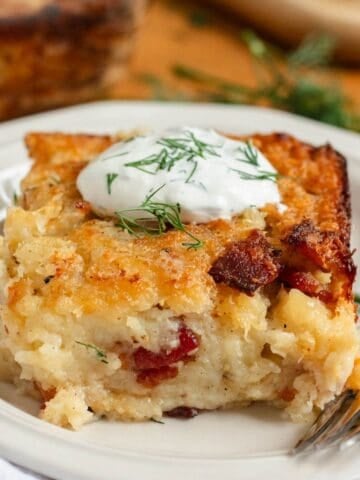
Potatoes are central, appearing in dumplings, pancakes, and casseroles.
-
Dill and caraway are common herbs and spices.
-
Dairy, such as curd cheese and sour cream, adds tanginess to many dishes.
-
Expect flavors that are savory, sour, and mildly spiced, often paired with pickled vegetables.
Food Culture
Meals reflect seasonality and family traditions.
-
Winter foods are rich and filling, while summer meals feature fresh berries, mushrooms, and garden vegetables.
-
Many traditional dishes are tied to holidays and celebrations, like Kūčios (Christmas Eve supper).
-
Sharing meals is seen as a way to connect with family and community.
Dining Style
Lithuanians usually eat three meals a day, with lunch traditionally the largest.
-
Bread, especially rye bread, is a staple and often served at every meal.
-
Dining tends to be informal at home, but formal etiquette is observed during special occasions.
-
Meals are usually plated individually, though large gatherings may feature dishes served family-style.