

Kenya Country Introduction and Recipes
Fun Facts
-
Kenya is home to the Great Rift Valley, a major geological feature visible from space.
-
The country hosts the annual wildebeest migration — one of the greatest wildlife spectacles on Earth.
-
Over 60 languages are spoken across Kenya, though English and Swahili are the official ones.
-
Kenya is famous for its world-class long-distance runners, often dominating international marathons.
-
Coffee and tea are major exports, but locals typically drink more tea (called chai) than coffee.
About the Flag
Kenya’s flag is a bold, symbolic design featuring black, red, and green horizontal stripes separated by thin white lines. At the center is a traditional Maasai shield and spears, symbolizing the defense of freedom. The black represents the people, red stands for the blood shed in the fight for independence, green signifies Kenya’s natural wealth, and white symbolizes peace.
Influence on the Food
Kenyan cuisine reflects a rich blend of influences from its diverse ethnic groups, colonial history, and trading connections with India, the Middle East, and other parts of Africa. Indian settlers introduced spices and dishes like chapati and pilau, while Arab traders brought ingredients like cardamom and coconut. Indigenous traditions remain strong, focusing on locally available produce, grains, and meats.
Flavors of the Food
Kenyan food is known for its hearty, comforting flavors:
-
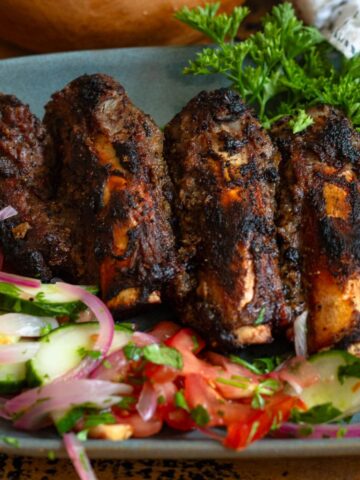
Grilled meats, spiced stews, and slow-cooked vegetables form the backbone of many meals.
-
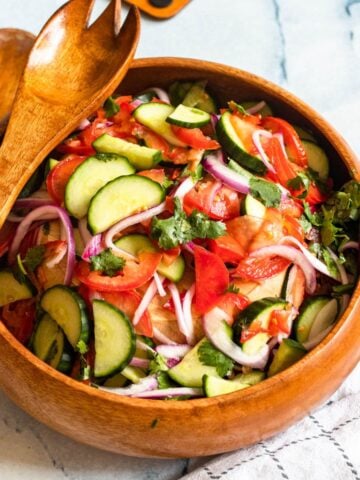
Coconut milk, curry spices, and fresh herbs bring warmth and richness, especially along the coastal regions.
-
Simple seasonings like salt, pepper, and occasionally chili peppers let the quality of the ingredients shine.
-
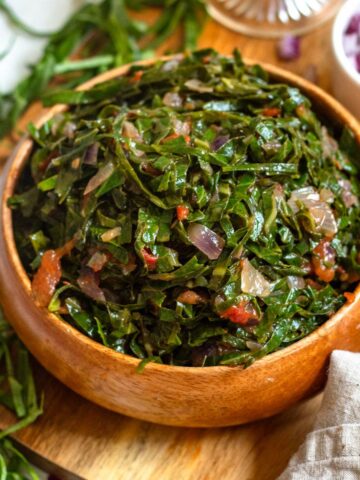
Staples like maize, beans, and greens provide earthy, nourishing flavors.
Food Culture
In Kenya, food is central to hospitality and community life. Meals often bring people together — whether it’s a casual gathering or a big celebration. Sharing food, particularly nyama choma (grilled meat), is an important social ritual. Many traditional meals are connected to the land, with a strong focus on seasonal and regional ingredients.
Dining Style
Meals in Kenya are typically served family-style, with everyone helping themselves from shared plates. Ugali (a dense maize porridge) is a staple, often used to scoop up vegetables, stews, or meat by hand. Eating with the right hand is common, especially in traditional settings. Dining is usually relaxed and social, with meals often extending over long conversations and rounds of tea.