

Estonia Country Introduction and Recipes
Fun Facts
-
Estonia is one of the most digitally advanced countries in the world — citizens can vote online, and nearly all government services are digital.
-
Over 50% of the country is covered by forest, and nature plays a central role in daily life.
-
Estonians are passionate about saunas, a tradition shared with their Finnish neighbors.
-
The capital city, Tallinn, has one of Europe’s best-preserved medieval old towns, recognized by UNESCO.
-
Estonia has over 2,000 islands along its Baltic coastline.
About the Flag
Estonia’s flag features three horizontal stripes: blue, black, and white.
-
Blue represents the sky, lakes, and the national love of freedom.
-
Black symbolizes the fertile soil and the hardships of the past.
-
White stands for purity, hard work, and the snowy winters.
Influence on the Food
Estonian cuisine blends Nordic, Russian, German, and Baltic influences.
-
Centuries of trade brought spices and new ingredients from abroad.
-
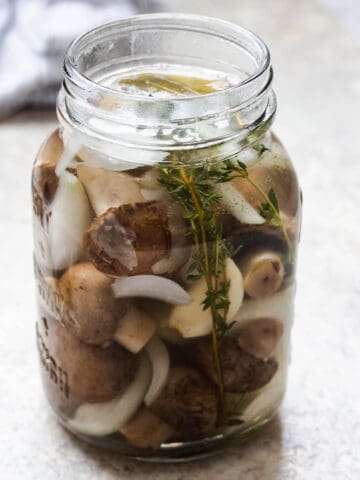
The long winters shaped a tradition of preserving food through smoking, fermenting, and pickling.
-
Local ingredients like rye, barley, potatoes, cabbage, mushrooms, and fish form the backbone of most traditional dishes.
Flavors of the Food
Estonian food is earthy, mild, and seasonal:
-
Rye bread, potatoes, and dairy products are everyday staples.
-
Fresh herbs like dill and parsley add brightness to simple flavors.
-
Smoked and salted fish and meats bring depth and warmth.
-
Mushrooms, berries, and root vegetables showcase Estonia’s connection to the forest.
Food Culture
Food in Estonia reflects a deep connection to nature and the seasons.
-
Summer and autumn bring foraging traditions, with families gathering mushrooms and berries.
-
Meals are often simple but nourishing, emphasizing freshness and balance.
-
Celebrations like Jaanipäev (Midsummer) feature outdoor feasts, grilling, and toasts with local drinks.
Dining Style
Dining in Estonia is relaxed, modest, and communal:
-
Meals are typically eaten at a set table, often with rye bread on the side.
-
Soups and stews are popular starters, followed by hearty main dishes.
-
Coffee and cakes are common in the afternoon, reflecting a love for cozy gatherings.
-
Home-cooked meals are treasured, and hospitality often means offering something homemade to guests.