

The Netherlands Country Introduction and Recipes
Fun Facts
- The Netherlands is famous for its windmills, tulips, canals, and bicycles.
- There are more bicycles than people in the country, and cycling is a major part of everyday life.
- Around one-third of the Netherlands lies below sea level, protected by an impressive system of dikes and barriers.
- The Netherlands is one of the world's largest exporters of flowers, particularly tulips.
- Amsterdam is famous for its canals, with more than 1,500 bridges crossing the city's waterways.
About the Flag
The Dutch flag features three horizontal stripes: red, white, and blue. It dates back to the 16th century and is one of the oldest tricolor flags still in use today.
- Red traditionally represents bravery and strength.
- White is associated with peace and honesty.
- Blue represents loyalty and justice.
Interestingly, the original Dutch flag used orange instead of red, which helps explain why orange remains such an important national color today.
Influence on the Food
Dutch cuisine has been shaped by the country's agricultural traditions, coastal location, and history as a major trading nation.
- Dairy farming has made cheese, butter, and milk important parts of the diet.
- The North Sea provides plenty of herring and other seafood.
- Dutch trade with Indonesia had an especially significant impact, introducing spices and Indonesian dishes that remain popular throughout the Netherlands.
- Traditionally, Dutch home cooking focused on practical, filling meals that could sustain people through the country's cool climate.
Flavors of the Food
Dutch food tends to be hearty, comforting, and relatively simply seasoned:
- Potatoes, cheese, bread, meat, and vegetables are common staples.
- Savory foods often feature buttery, creamy, salty, and slightly smoky flavors.
- Dishes like stamppot combine mashed potatoes with vegetables and are often served with sausage.
- The Dutch also love sweets, including stroopwafels, poffertjes, and speculaas, which feature flavors like caramel, cinnamon, and other warm spices.
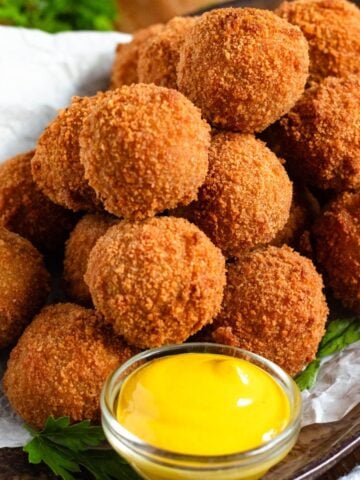
- Snacks such as bitterballen bring crispy, fried textures alongside rich and savory fillings.
Food Culture
Food culture in the Netherlands tends to be practical and casual, but there are plenty of beloved traditions.
- Bread and cheese are everyday staples, particularly for breakfast and lunch.
- Coffee breaks are popular and often accompanied by a cookie, pastry, or slice of cake.
- Snack foods are a big part of Dutch culture, from frikandel and bitterballen to fries served with mayonnaise.
- Indonesian food has become an important part of Dutch dining culture, particularly the elaborate rijsttafel, or "rice table," made up of many small dishes.
Dining Style
Dutch dining is generally casual, straightforward, and social.
- Dinner is traditionally eaten relatively early in the evening, especially compared with southern European countries.
- Meals at home are usually served around the table, with dishes either individually plated or shared.
- Forks and knives are the standard utensils, while many popular street foods and snacks are eaten by hand.
- Special occasions may involve longer meals, but everyday dining tends to emphasize simple food and time spent together.