

Luxembourg Country Introduction and Recipes
Fun Facts
-
Luxembourg is one of the smallest countries in Europe, bordered by Belgium, France, and Germany.
-
Despite its size, it's a global financial powerhouse and home to several EU institutions.
-
Luxembourg has three official languages: Luxembourgish, French, and German.
-
The country is known for its fairy-tale castles, rolling hills, and medieval towns.
-
Nearly half of its population are foreigners, giving the country a uniquely international vibe.
About the Flag
The flag of Luxembourg features three horizontal stripes: red, white, and light blue (top to bottom). It’s often confused with the Dutch flag, but Luxembourg’s blue is lighter and the proportions are slightly different. The colors represent freedom and independence.
Influence on the Food
Luxembourg's cuisine is shaped by its neighbors—France, Germany, and Belgium—all of which contribute unique culinary traits.
-
From France, it borrows rich sauces and refined techniques.
-
From Germany, it gets hearty meats and sausages.
-
And from Belgium, decadent desserts and fries.
Its multicultural population also means Italian, Portuguese, and other European influences are felt in everyday meals.
Flavors of the Food
Luxembourgish food is comforting, rich, and seasonal.
-
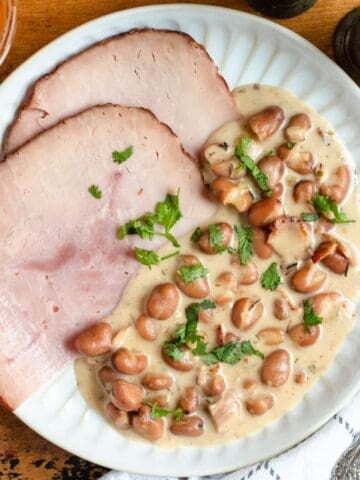
Expect pork, potatoes, beans, and cabbage in many traditional dishes.
-
Cream and wine-based sauces are common, especially in stews or fish dishes.
-
Tart apples, smoked bacon, and nutty cheeses bring depth to simple dishes.
-
Baked goods, like Quetschentaart (plum tart), highlight the country’s love for fruits and pastries.
Food Culture
Meals in Luxembourg are often leisurely and multi-course, especially lunch or dinner. Sunday lunch is still a cherished family affair, often featuring local wine or beer. There's a strong emphasis on eating seasonally, and local farmers' markets are popular across the country.
Dining Style
Dining is formal but friendly—people use fork and knife for nearly everything, even fries.
-
Bread is almost always served with a meal, and cheese may be its own course.
-
Dishes are usually plated individually, especially in restaurants.
-
At home, meals are often enjoyed around the table with conversation and slow pacing, celebrating quality over speed.